
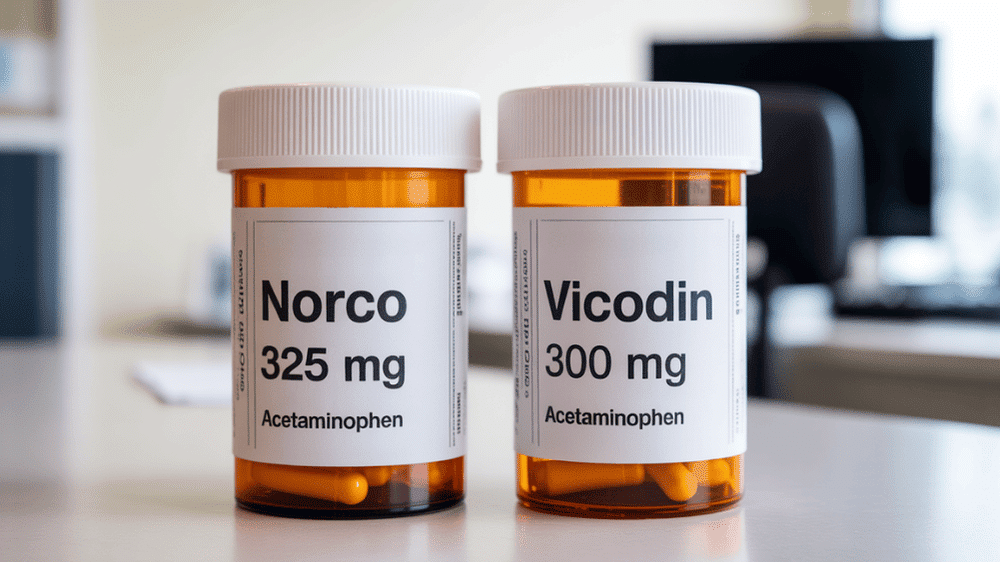
Norco vs. Vicodin: Strength, Side Effects, Dosage & More
Norco vs Vicodin: Understanding Your Pain Medication Options
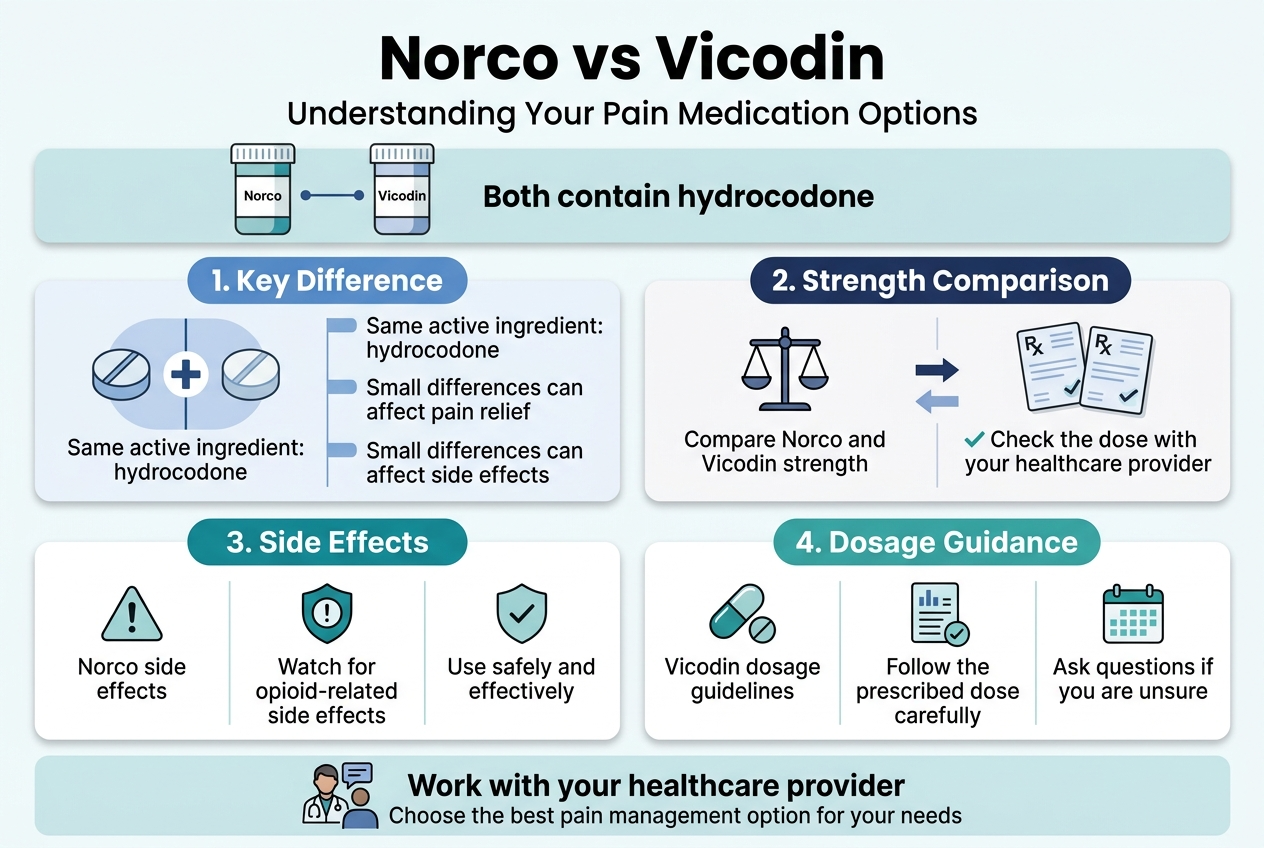
If you’re dealing with moderate to severe pain and your doctor has prescribed either Norco or Vicodin, you probably have questions about these medications. Both contain the same active ingredient—hydrocodone—but they’re not identical twins. This guide is for patients, caregivers, and anyone who wants to understand the real differences between these two common prescription opioid medications.
Many people assume Norco and Vicodin work exactly the same way, but small differences can make a big impact on your pain relief and side effects. We’ll break down the strength comparison between Norco and Vicodin so you know what to expect from each medication. You’ll also learn about Norco side effects and Vicodin dosage guidelines to help you use these medications safely and effectively.
By the end of this hydrocodone acetaminophen comparison, you’ll understand which medication might work better for your specific situation and how to work with your healthcare provider to make the best choice for your pain management needs.
Understanding These Pain Medications
Active ingredients and drug classifications
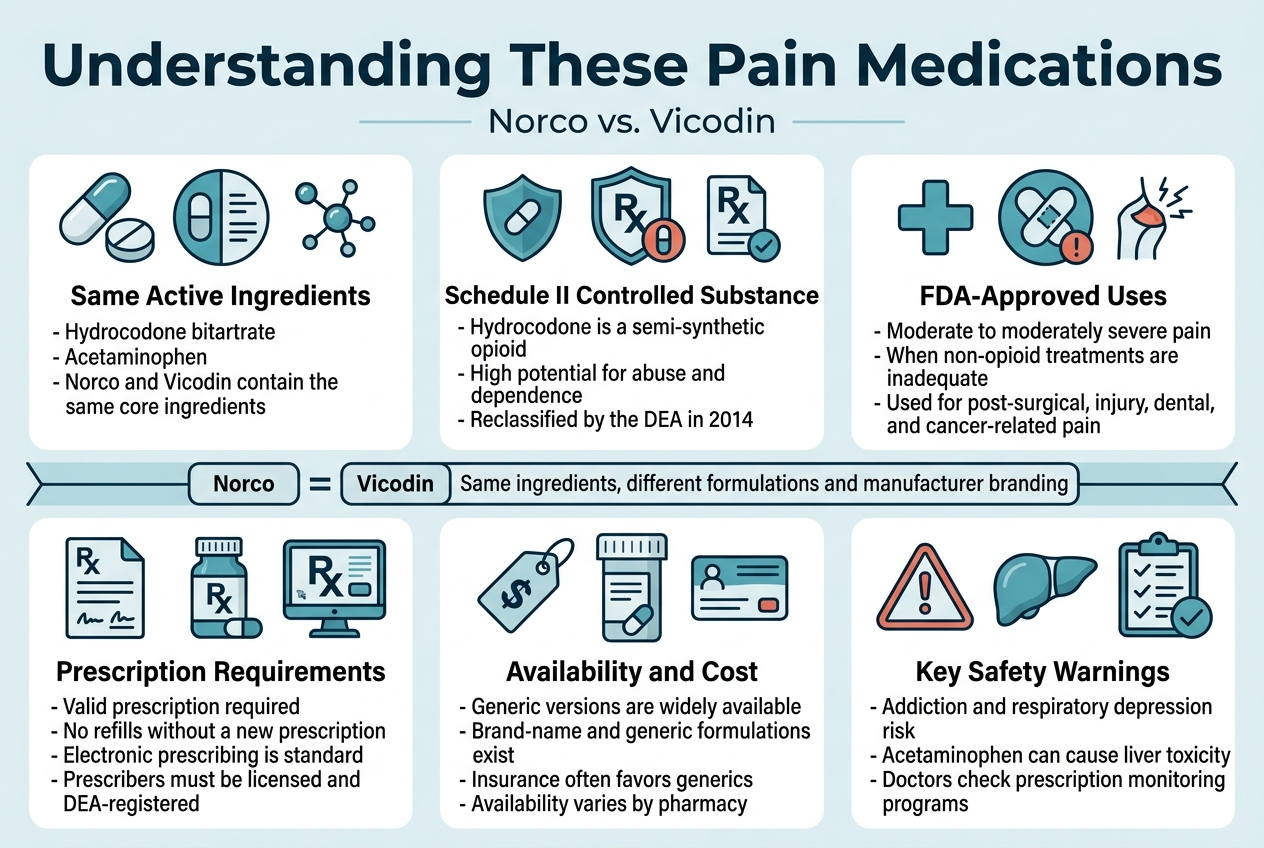
Both Norco and Vicodin contain the exact same active ingredients: hydrocodone bitartrate and acetaminophen. The hydrocodone component is a semi-synthetic opioid derived from codeine, while acetaminophen is a non-opioid pain reliever and fever reducer. This hydrocodone acetaminophen comparison reveals that the fundamental difference between these medications lies in their specific formulations and concentrations, not their core ingredients.
Hydrocodone belongs to the Schedule II controlled substances category under the Controlled Substances Act. This classification reflects its high potential for abuse and dependence, despite having accepted medical uses for pain management. The Drug Enforcement Administration reclassified all hydrocodone combination products from Schedule III to Schedule II in 2014, recognizing increased abuse potential.
The acetaminophen component enhances the pain-relieving effects of hydrocodone through a synergistic relationship. While hydrocodone targets opioid receptors in the central nervous system, acetaminophen works through different pathways, including inhibition of cyclooxygenase enzymes and modulation of serotonergic pathways.
FDA approval status and medical uses
The FDA has approved both medications for managing moderate to moderately severe pain when non-opioid treatments prove inadequate. These prescription opioid differences primarily exist in their marketing and manufacturer specifications rather than therapeutic indications.
Norco received FDA approval as a brand name for specific hydrocodone/acetaminophen combinations manufactured by Watson Pharmaceuticals (now Allergan). Vicodin gained approval under Abbott Laboratories (later AbbVie) for similar formulations. Both medications serve identical therapeutic purposes in clinical practice.
Medical professionals prescribe these medications for various pain conditions including:
-
Post-surgical pain management
-
Injury-related acute pain
-
Chronic pain conditions when other treatments fail
-
Dental procedures requiring significant pain control
-
Cancer-related pain as part of comprehensive treatment plans
The FDA requires strict labeling warnings about addiction potential, respiratory depression risks, and acetaminophen-related liver toxicity. Healthcare providers must evaluate each patient’s risk factors before prescribing either medication.
Prescription requirements and availability
Both medications require valid prescriptions from licensed healthcare providers due to their Schedule II status. Patients cannot obtain refills without new prescriptions, and prescribers must follow strict documentation requirements. Electronic prescribing systems have become standard practice for tracking these controlled substances.
Pharmacy availability varies by location and inventory management policies. Generic versions of both formulations are widely available and typically cost less than brand-name versions. Insurance coverage often favors generic alternatives, making them more accessible for patients.
Prescribers must register with the DEA and maintain valid licenses to prescribe these opioid medications. They’re required to check prescription drug monitoring programs in most states before prescribing to prevent doctor shopping and identify potential abuse patterns. This hydrocodone pain relief monitoring system helps ensure appropriate medical use while reducing diversion risks.
Strength Comparison Between Norco and Vicodin
Hydrocodone Content Levels in Each Medication
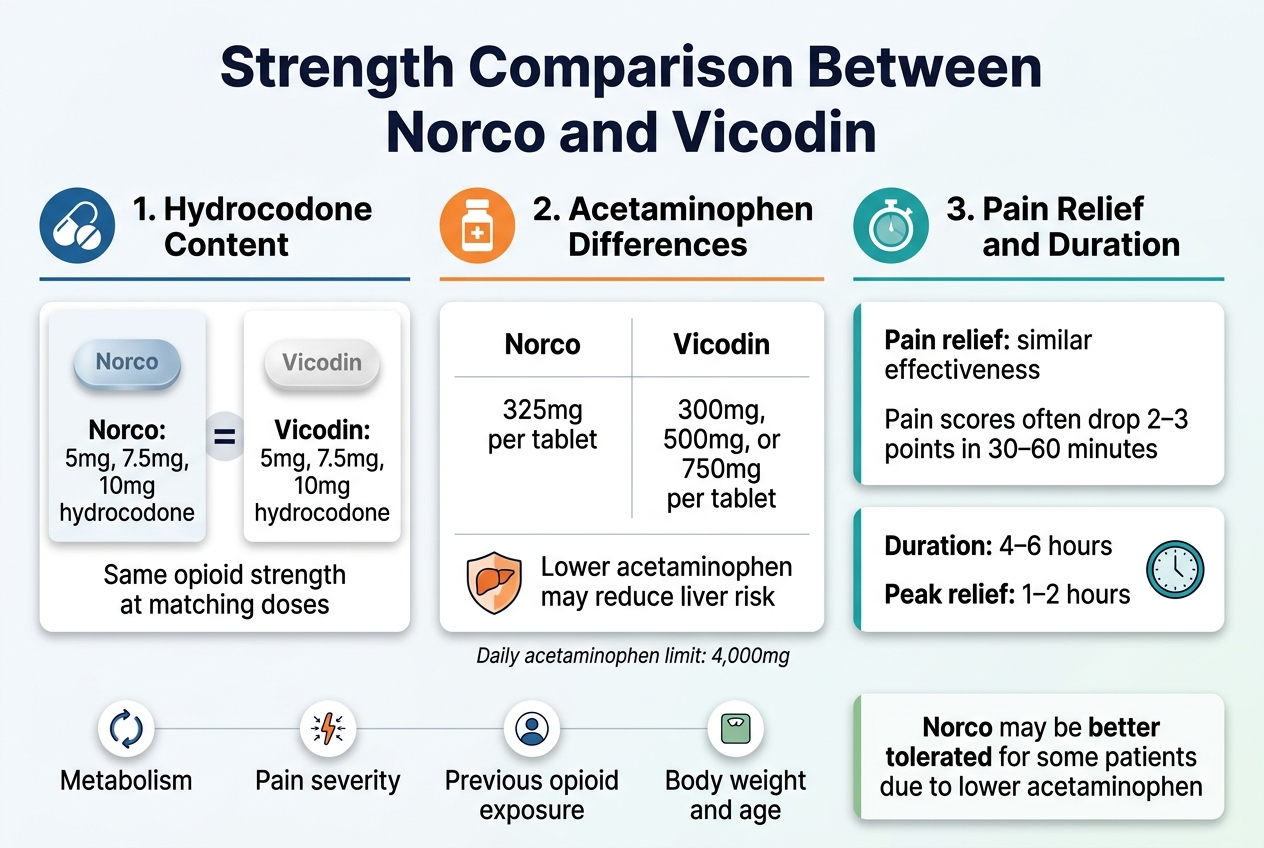
Both Norco and Vicodin contain the same active opioid ingredient: hydrocodone bitartrate. The hydrocodone content in these medications is identical, typically available in 5mg, 7.5mg, and 10mg strengths. This means that when comparing Norco vs Vicodin for pain relief potency, the opioid component provides equivalent analgesic effects at matching doses.
The hydrocodone acts as the primary pain-relieving component, binding to opioid receptors in the brain and spinal cord to block pain signals. Whether you’re taking Norco 5/325 or Vicodin 5/500, you’re receiving the same 5mg dose of hydrocodone, making the pain medication strength comparison equal in terms of the opioid component.
Acetaminophen Dosage Differences
The key difference between these medications lies in their acetaminophen content. Norco contains significantly less acetaminophen per tablet compared to Vicodin:
| Medication | Acetaminophen Content |
|---|---|
| Norco | 325mg per tablet |
| Vicodin | 300mg, 500mg, or 750mg per tablet |
This difference matters because acetaminophen enhances the pain-relieving effects of hydrocodone while providing additional analgesic benefits. Lower acetaminophen content in Norco reduces the risk of liver toxicity, especially important for patients requiring higher doses or long-term treatment. The reduced acetaminophen also allows for more flexible dosing without exceeding the daily acetaminophen limit of 4,000mg.
Pain Relief Effectiveness Ratings
Clinical studies show comparable pain relief effectiveness between Norco and Vicodin when hydrocodone doses are matched. The hydrocodone acetaminophen comparison reveals that both medications provide similar analgesic effects for moderate to severe pain conditions.
Patient-reported pain scores typically decrease by 2-3 points on a 10-point scale within 30-60 minutes of administration for both medications. The effectiveness largely depends on:
-
Individual patient metabolism
-
Severity and type of pain
-
Previous opioid exposure
-
Body weight and age
Some patients report slightly better tolerance with Norco due to its lower acetaminophen content, which may reduce gastrointestinal side effects and allow for better compliance with prescribed dosing schedules.
Duration of Action for Each Drug
Both Norco and Vicodin provide pain relief for approximately 4-6 hours after administration. The duration of action remains consistent between the two medications because they contain the same hydrocodone formulation.
Peak pain relief typically occurs 1-2 hours after taking either medication, with effects beginning within 30-60 minutes. The similar pharmacokinetic profiles mean that dosing schedules are comparable, usually requiring administration every 4-6 hours as needed for pain management.
Factors affecting duration include individual metabolism rates, kidney function, and whether the medication is taken with food. Extended-release formulations are available for both medications, providing 12-hour pain relief for chronic pain conditions requiring around-the-clock management.
Side Effects Profile Analysis
Common side effects shared by both medications
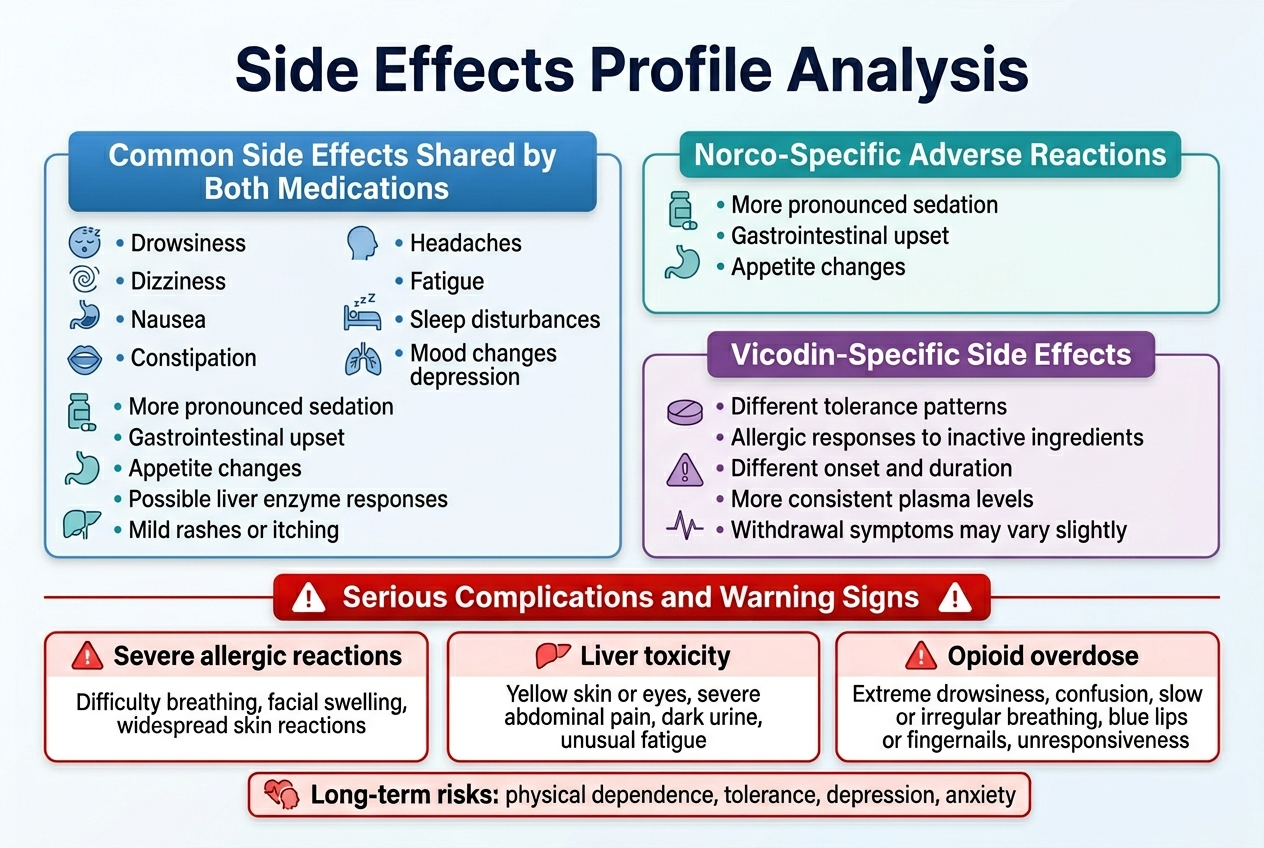
Both Norco and Vicodin contain hydrocodone and acetaminophen, so they produce remarkably similar side effect profiles. The most frequently reported issues include drowsiness, dizziness, and nausea that can range from mild discomfort to significant interference with daily activities. Many people experience constipation, which often becomes more problematic with continued use and may require additional management strategies.
Dry mouth affects nearly all users to some degree, while headaches and fatigue can persist throughout treatment. Sleep disturbances are common, creating an ironic situation where pain medications meant to provide relief can actually disrupt rest patterns. Mood changes, including irritability or mild euphoria, may occur as the brain adjusts to opioid presence.
Respiratory depression represents the most serious shared risk, particularly when combined with alcohol or other central nervous system depressants. Both medications can slow breathing to dangerous levels, making careful monitoring essential during treatment initiation and dose adjustments.
Norco-specific adverse reactions
The specific formulation of Norco can produce unique side effect patterns, though these differences are generally subtle. Some users report more pronounced sedation compared to other hydrocodone combinations, possibly due to the specific binding agents and inactive ingredients used in manufacturing.
Gastrointestinal upset may manifest differently with Norco, with some patients experiencing more stomach irritation or changes in appetite. The acetaminophen component in Norco’s specific ratio can occasionally trigger different liver enzyme responses in sensitive individuals.
Skin reactions, including mild rashes or itching, have been reported more frequently with certain Norco formulations. These reactions typically remain minor but should be monitored, especially in patients with known drug sensitivities.
Vicodin-specific side effects
Vicodin’s particular formulation may produce slightly different tolerance patterns in some users. The brand’s specific inactive ingredients can occasionally trigger allergic responses in individuals sensitive to particular dyes or binding agents used in tablet manufacturing.
Some patients report different onset and duration of side effects with Vicodin compared to generic alternatives. The branded formulation may produce more consistent plasma levels, potentially reducing some of the peak-and-trough side effect variations that generic versions sometimes create.
Withdrawal symptoms may vary slightly between Vicodin and other hydrocodone products, though this difference is minimal and likely related to individual patient factors rather than significant formulation differences.
Serious complications and warning signs
Both medications carry significant risks that demand immediate medical attention. Severe allergic reactions can develop suddenly, presenting as difficulty breathing, facial swelling, or widespread skin reactions. These emergency situations require immediate intervention and permanent discontinuation of the medication.
Liver toxicity from acetaminophen overdose represents a life-threatening complication. Warning signs include yellowing of skin or eyes, severe abdominal pain, dark urine, or unusual fatigue. The risk increases dramatically when patients exceed recommended doses or combine these medications with alcohol.
Signs of opioid overdose include extreme drowsiness, confusion, slow or irregular breathing, blue lips or fingernails, and unresponsiveness. These symptoms constitute medical emergencies requiring immediate emergency care and possible naloxone administration.
Long-term complications include physical dependence and tolerance development, which can occur even with prescribed use. Mental health changes, including depression or anxiety, may emerge during extended treatment periods and require careful monitoring and potential intervention.
Dosage Guidelines and Administration
Standard Starting Doses for Adults
Both Norco and Vicodin contain identical active ingredients – hydrocodone and acetaminophen – but come in different strength combinations. For Norco vs Vicodin comparisons, the typical starting dose varies based on the specific formulation prescribed.
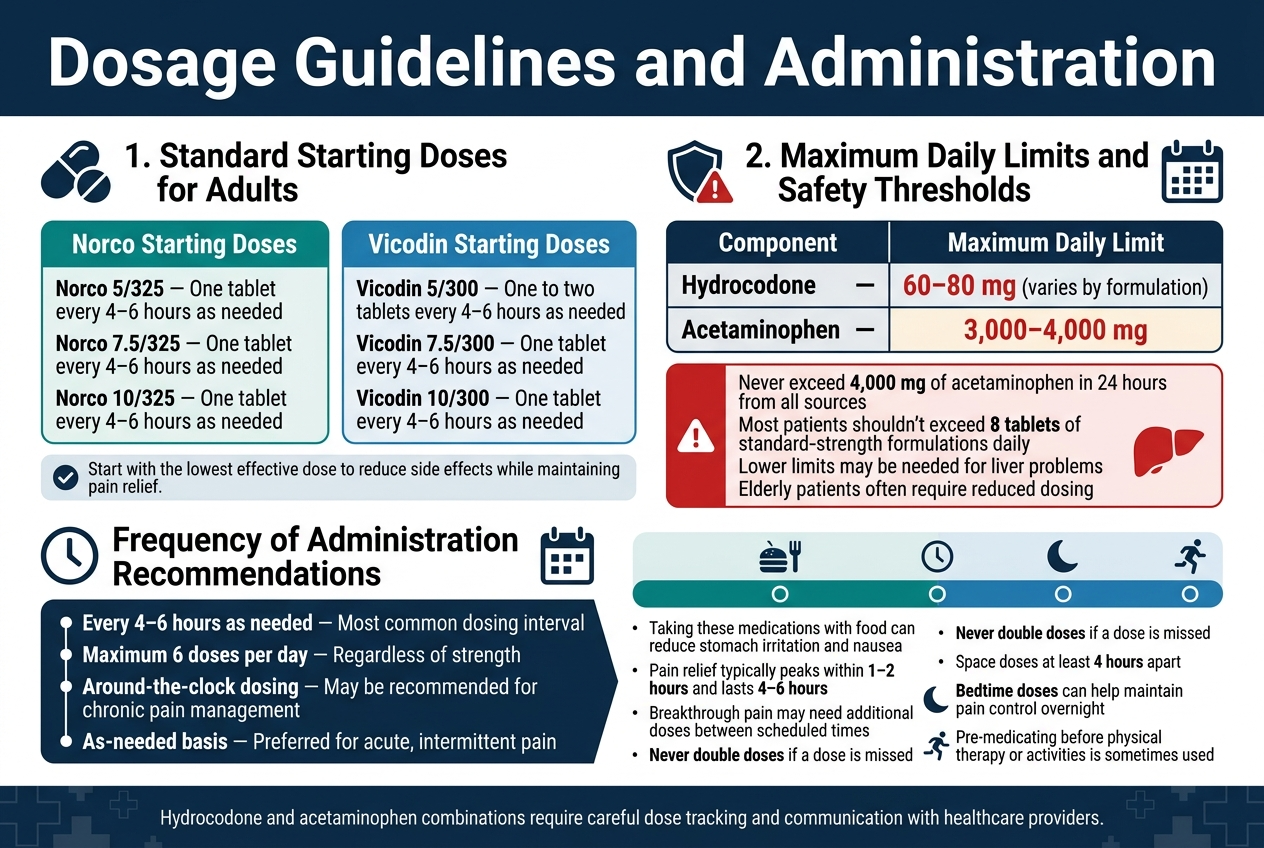
Norco Starting Doses:
-
Norco 5/325: One tablet every 4-6 hours as needed
-
Norco 7.5/325: One tablet every 4-6 hours as needed
-
Norco 10/325: One tablet every 4-6 hours as needed
Vicodin Starting Doses:
-
Vicodin 5/300: One to two tablets every 4-6 hours as needed
-
Vicodin 7.5/300: One tablet every 4-6 hours as needed
-
Vicodin 10/300: One tablet every 4-6 hours as needed
Healthcare providers typically start patients on the lowest effective dose to minimize side effects while providing adequate pain relief. The hydrocodone acetaminophen comparison shows that both medications offer similar pain management capabilities, with dosing adjustments made based on individual patient response and tolerance.
Maximum Daily Limits and Safety Thresholds
Safety thresholds for these prescription opioid medications are determined by both the hydrocodone and acetaminophen components. The acetaminophen limit is particularly critical since exceeding it can cause severe liver damage.
| Component | Maximum Daily Limit |
|---|---|
| Hydrocodone | 60-80 mg (varies by formulation) |
| Acetaminophen | 3,000-4,000 mg |
Critical Safety Considerations:
-
Acetaminophen toxicity: Never exceed 4,000 mg of acetaminophen in 24 hours from all sources
-
Hydrocodone limits: Most patients shouldn’t exceed 8 tablets of standard-strength formulations daily
-
Liver function: Patients with liver problems may need lower acetaminophen limits
-
Age considerations: Elderly patients often require reduced dosing
The Vicodin dosage guidelines and Norco recommendations both emphasize staying within these safety thresholds. Patients taking other acetaminophen-containing medications must account for total daily intake to prevent accidental overdose.
Frequency of Administration Recommendations
Pain medication administration timing plays a crucial role in maintaining steady pain relief while minimizing side effects. Both medications follow similar frequency patterns due to their identical active ingredients.
Standard Frequency Guidelines:
-
Every 4-6 hours as needed: Most common dosing interval
-
Maximum 6 doses per day: Regardless of strength
-
Around-the-clock dosing: May be recommended for chronic pain management
-
As-needed basis: Preferred for acute, intermittent pain
Timing Considerations:
Taking these medications with food can reduce stomach irritation and nausea. The hydrocodone pain relief typically peaks within 1-2 hours and lasts 4-6 hours, making the standard dosing interval appropriate for most patients.
Special Situations:
-
Breakthrough pain: Additional doses may be needed between scheduled times
-
Sleep disruption: Bedtime doses can help maintain pain control overnight
-
Activity-based dosing: Pre-medicating before physical therapy or activities
-
Tapering schedules: Gradual dose reduction when discontinuing treatment
Patients should never double doses if they miss a scheduled time, and should space doses at least 4 hours apart to prevent accumulation and increased risk of side effects. Close communication with healthcare providers helps optimize the dosing schedule for individual pain patterns and lifestyle needs.
Key Differences That Impact Your Treatment
Cost Comparison and Insurance Coverage
When comparing Norco vs Vicodin costs, you’ll find significant differences that can impact your wallet. Generic versions of both medications typically cost between $15-40 for a month’s supply, while brand-name options can reach $200-400. Vicodin’s brand formulation is generally more expensive than Norco’s, though both have affordable generic alternatives.
Most insurance plans cover both medications under their prescription drug benefits, but coverage varies by plan. Some insurers prefer one over the other due to negotiated pricing agreements with manufacturers. Your copay might differ between the two, making one significantly cheaper for your specific situation. Prior authorization requirements also vary – some plans require step therapy, meaning you must try one medication before accessing the other.
Generic hydrocodone-acetaminophen combinations offer the best value, with identical active ingredients to their brand counterparts. Pharmacy choice affects pricing too, as discount programs and membership clubs can reduce costs substantially.
Available Strengths and Formulations
The Norco vs Vicodin strength comparison reveals important formulation differences. Norco comes in three standard strengths: 5mg/325mg, 7.5mg/325mg, and 10mg/325mg (hydrocodone/acetaminophen). Each tablet contains 325mg of acetaminophen, which is lower than many other combinations.
Vicodin offers 5mg/300mg, 7.5mg/300mg, and 10mg/300mg formulations. The slightly different acetaminophen content (300mg vs 325mg) rarely affects clinical outcomes but matters for total daily acetaminophen calculations.
Both medications are available as immediate-release tablets only. Extended-release formulations exist under different brand names but not for these specific products. Liquid formulations of hydrocodone-acetaminophen exist but aren’t marketed under the Norco or Vicodin names.
Generic manufacturers produce various combinations with different acetaminophen amounts (300mg, 325mg, 500mg, 650mg, or 750mg), giving doctors flexibility in prescribing based on your pain level and acetaminophen tolerance needs.
Drug Interaction Profiles
Both medications share identical drug interaction profiles since they contain the same active ingredients. The hydrocodone component interacts with central nervous system depressants like alcohol, benzodiazepines, and sleep medications, creating dangerous respiratory depression risks.
Acetaminophen interactions focus on liver metabolism. Chronic alcohol use, certain antibiotics, and blood thinners like warfarin can increase toxicity risks. Enzyme-inducing medications like carbamazepine or phenytoin can reduce pain relief effectiveness.
CYP2D6 enzyme inhibitors (like fluoxetine, paroxetine, or quinidine) can reduce hydrocodone’s conversion to its active metabolite, potentially decreasing pain relief. Conversely, CYP3A4 inhibitors might increase hydrocodone levels and side effects.
MAO inhibitors create severe interaction risks and require a 14-day washout period. Muscle relaxants, antihistamines, and certain antidepressants can amplify sedation effects. Always inform your healthcare providers about all medications, supplements, and herbal products you take.
Addiction Potential and Abuse Risks
The hydrocodone pain relief comparison shows both medications carry identical addiction and abuse risks since they contain the same opioid component. Hydrocodone is a Schedule II controlled substance with high potential for psychological and physical dependence.
Risk factors include personal or family history of substance abuse, mental health conditions, and prolonged use beyond prescribed durations. Physical dependence can develop within days to weeks of regular use, while psychological addiction involves compulsive drug-seeking behavior despite negative consequences.
Both medications require careful monitoring for signs of misuse: taking larger doses than prescribed, using medication more frequently, seeking early refills, or combining with alcohol or other substances. Tolerance develops over time, requiring higher doses for the same pain relief.
Withdrawal symptoms appear when stopping abruptly after regular use, including anxiety, muscle aches, nausea, and sleep disturbances. Proper tapering under medical supervision minimizes withdrawal discomfort. Healthcare providers use prescription monitoring databases to track dispensing patterns and identify potential misuse.
The identical abuse potential means choosing between these medications shouldn’t be based on addiction concerns alone – other factors like cost, availability, and doctor preference typically drive the decision.
Choosing the Right Medication for Your Needs
Medical conditions that favor one over the other
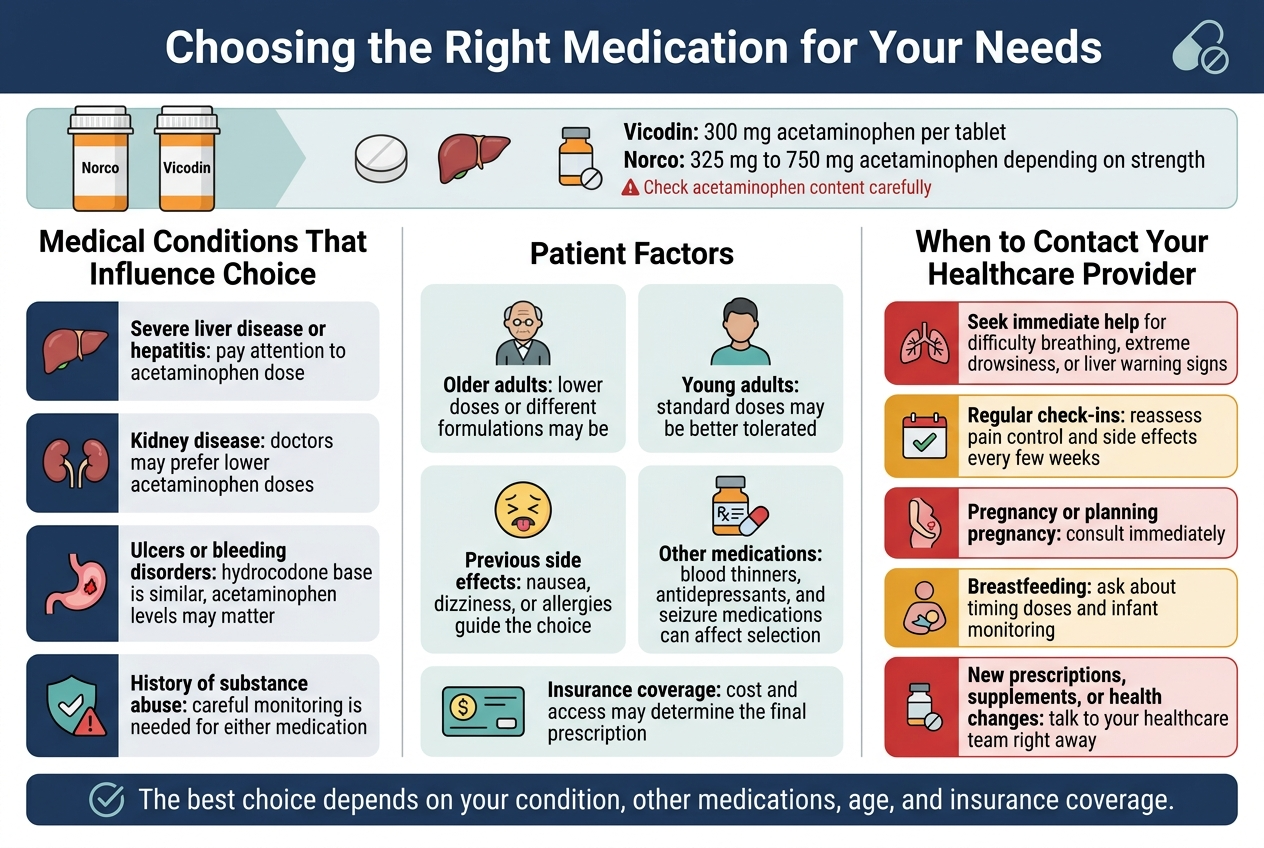
Certain medical conditions make either Norco or Vicodin a better choice for pain management. Patients with severe liver disease or hepatitis should pay extra attention to acetaminophen content when comparing Norco vs Vicodin. Vicodin contains 300mg of acetaminophen per tablet, while Norco formulations can range from 325mg to 750mg depending on the specific strength prescribed.
Kidney disease patients may find their doctors lean toward prescriptions with lower acetaminophen doses to reduce the risk of additional organ strain. Gastrointestinal conditions like ulcers or bleeding disorders don’t significantly favor one medication over the other since both contain the same hydrocodone base, but the varying acetaminophen levels might influence the decision.
Patients with a history of substance abuse require careful monitoring regardless of which prescription opioid they receive. The hydrocodone component in both medications carries the same addiction potential, making the choice between them less critical than establishing proper monitoring protocols.
Patient factors influencing prescription decisions
Age plays a significant role in medication selection. Elderly patients often receive lower doses or different formulations due to slower metabolism and increased sensitivity to both hydrocodone and acetaminophen. Young adults might tolerate standard doses better, but doctors still consider body weight and previous medication experiences.
Previous medication reactions heavily influence prescribing decisions. If a patient experienced nausea, dizziness, or allergic reactions to specific brands or formulations, doctors will choose the alternative that caused fewer problems. Some patients respond better to certain manufacturers or specific ratios of active ingredients.
Concurrent medications create another decision point. Blood thinners, antidepressants, and seizure medications can interact differently with various pain medication formulations. The prescription opioid differences between Norco and Vicodin might seem minimal, but even small variations in inactive ingredients can affect how well they work with other medications.
Insurance coverage often determines which option patients receive. Some insurance plans prefer generic versions or specific brands, making cost and accessibility major factors in the final prescription decision.
When to consult your healthcare provider
Contact your healthcare provider immediately if you experience severe side effects like difficulty breathing, extreme drowsiness, or signs of liver problems such as yellowing skin or dark urine. These symptoms require urgent medical attention regardless of which medication you’re taking.
Regular check-ins become necessary when using either medication for extended periods. Pain medication strength comparison discussions should happen every few weeks to ensure the prescribed dose remains effective without causing unnecessary side effects. Your doctor needs to know if your pain levels change or if you’re developing tolerance to the current dosage.
Pregnancy or plans to become pregnant require immediate consultation. Both medications can affect developing babies, and your doctor needs to weigh pain management needs against potential risks. Breastfeeding mothers also need guidance about timing doses and monitoring infants for drowsiness or feeding difficulties.
Changes in other medications or health conditions warrant conversations with your healthcare team. New prescriptions, over-the-counter supplements, or developing health issues can interact with pain medications in unexpected ways. Don’t wait for your next scheduled appointment if you start new treatments or notice changes in how your pain medication affects you.
Both Norco and Vicodin serve as effective pain management options, but understanding their differences helps you make informed decisions about your treatment. While these medications contain the same active ingredients, their varying strengths, dosage requirements, and side effect profiles can significantly impact your pain relief experience and overall well-being.
The choice between these medications should always involve your healthcare provider, who can evaluate your specific pain levels, medical history, and potential drug interactions. Remember that proper dosing, awareness of side effects, and open communication with your doctor are essential for safe and effective pain management. Your path to relief depends on finding the right medication that balances effectiveness with your body’s unique needs and tolerance.



Thanks for breaking down the differences between Norco and Vicodin— it’s helpful to understand that while they contain the same active ingredients, variations in strength and formulation can impact how effectively someone manages their pain. I appreciate the emphasis on working with a healthcare provider to find the right dosage, especially given the potential side effects. This kind of clarity really supports informed decision-making for patients navigating opioid pain medications.
Even though Norco and Vicodin have the same active ingredients, it’s clear that small differences in formulation can affect how people respond and the side effects they experience. It’s a good reminder of why working closely with a healthcare provider is so important when managing pain.
It’s really helpful to see a clear breakdown that while Norco and Vicodin share the exact same active ingredients, the differences in their formulations can still impact individual side effects and pain relief. This kind of detailed comparison is a great resource for patients looking to have more informed conversations with their doctors about which option fits their specific situation best.