How Legal And Illegal Drugs Are Classified
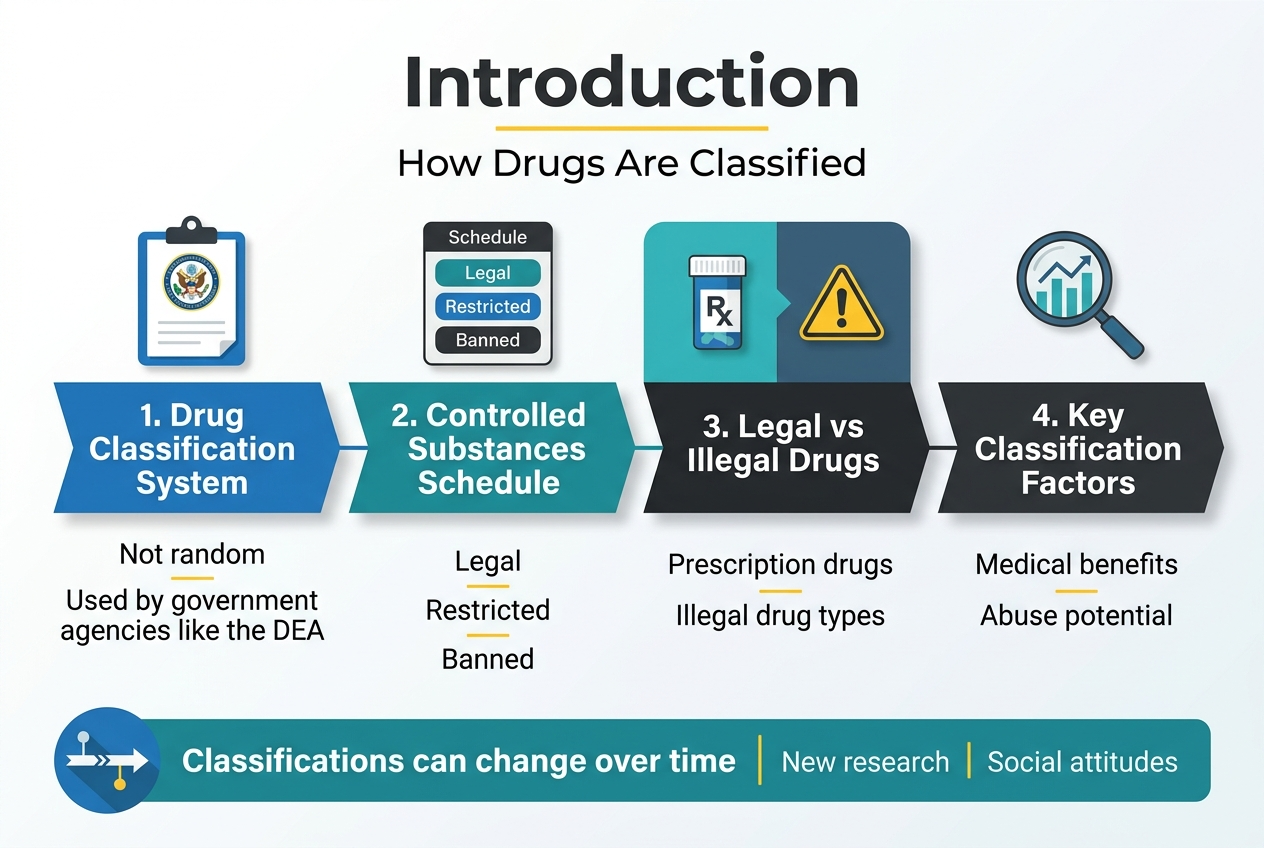
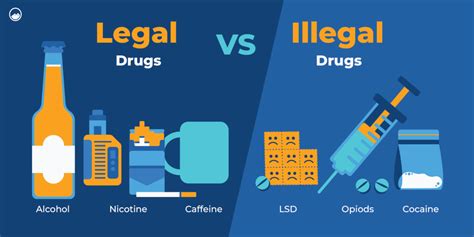
Understanding how legal and illegal drugs are classified can feel confusing, but it’s actually based on a straightforward drug classification system that affects millions of people daily. This guide is for students, professionals, healthcare workers, and anyone curious about why some substances require prescriptions while others land you in legal trouble.
Drug classification isn’t random – government agencies like the DEA use specific drug scheduling criteria to sort substances into categories. We’ll break down the controlled substances schedule that determines whether a drug is legal, restricted, or completely banned. You’ll learn about the key drug classification factors that officials consider, from medical benefits to abuse potential.
We’ll also explore how legal vs illegal drugs get sorted into different prescription drug categories and illegal drug types. Finally, we’ll look at how these classifications can shift over time as new research emerges and social attitudes change around certain substances.
Understanding the Legal Classification System
Federal vs State Drug Scheduling Laws
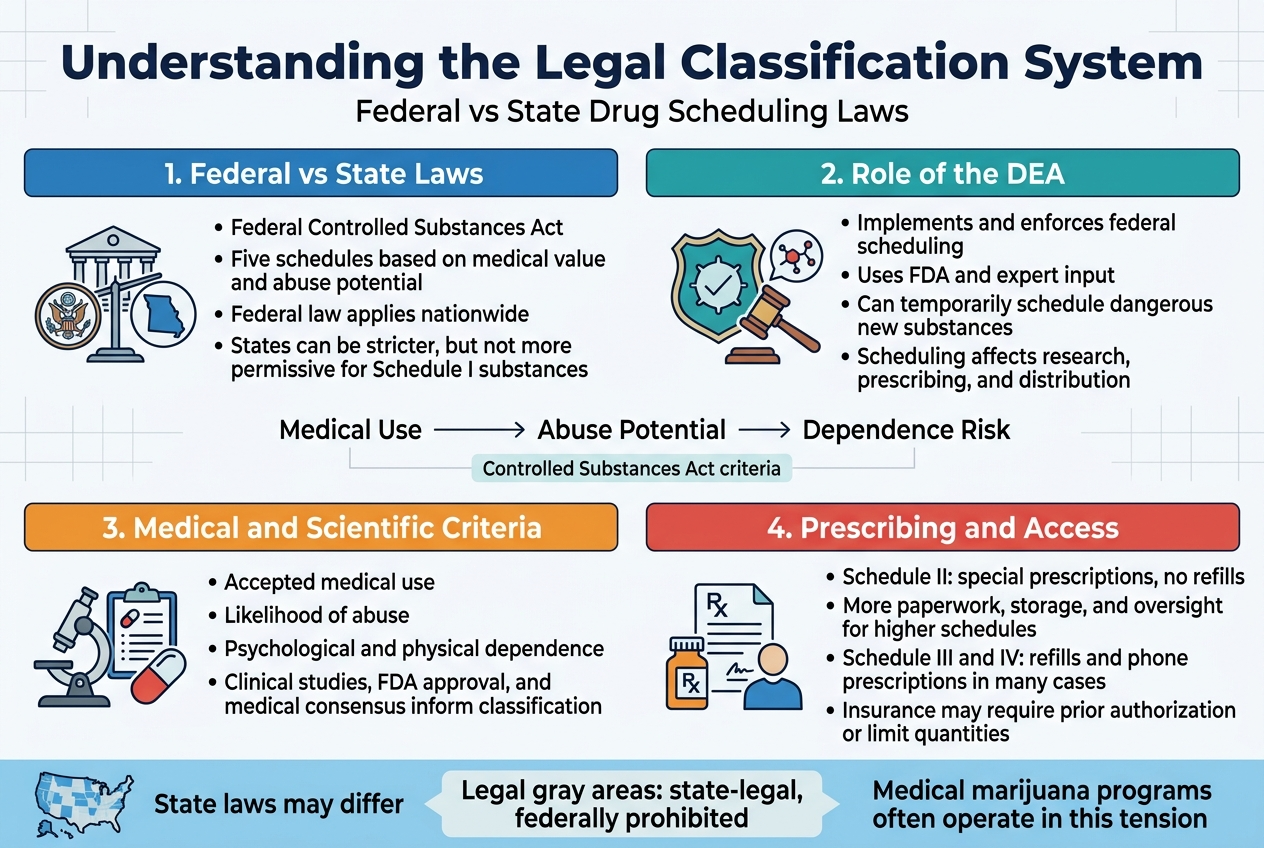
The drug classification system operates through a complex web of federal and state regulations that sometimes overlap and occasionally conflict. At the federal level, the Controlled Substances Act serves as the primary framework, establishing five distinct schedules that categorize substances based on their medical value and abuse potential. These federal classifications apply nationwide and supersede state laws in most situations.
State governments can implement their own drug scheduling laws, but they cannot make federal Schedule I substances legal for recreational use without facing potential federal enforcement. However, states do have the authority to create stricter regulations than federal law requires. Many states have chosen to reschedule certain substances, particularly marijuana, creating a patchwork of different legal landscapes across the country.
This dual system creates interesting dynamics where substances might be legal under state law but remain federally prohibited. Medical marijuana programs exemplify this tension, operating in a legal gray area where state-licensed dispensaries function despite federal prohibition.
Role of the DEA in Drug Classification
The Drug Enforcement Administration holds primary responsibility for implementing and enforcing the federal drug classification system. The DEA’s scheduling decisions directly impact how substances can be manufactured, distributed, prescribed, and possessed throughout the United States.
When evaluating substances for scheduling, the DEA considers recommendations from the Food and Drug Administration and input from medical experts, researchers, and public health officials. The agency has the authority to temporarily schedule new substances that pose immediate public health risks, a power frequently used to address emerging synthetic drugs and designer substances.
The DEA’s classification decisions carry significant weight beyond law enforcement. These determinations influence research opportunities, medical access, and pharmaceutical development. Schedule I classification, for example, creates substantial barriers to conducting scientific research, requiring special licenses and creating logistical challenges that many researchers find prohibitive.
Medical and Scientific Criteria for Classification
Drug classification relies on specific medical and scientific criteria outlined in the Controlled Substances Act. The primary factors include the substance’s accepted medical use, abuse potential, and likelihood of causing psychological or physical dependence.
Accepted medical use represents a critical threshold that distinguishes between different schedule levels. Substances with recognized therapeutic applications typically receive less restrictive classifications, while those lacking accepted medical use often land in Schedule I. The evaluation process examines clinical studies, FDA approvals, and medical community consensus.
Abuse potential assessment involves analyzing how likely individuals are to misuse the substance and the severity of potential consequences. Scientists evaluate factors such as euphoric effects, tolerance development, withdrawal symptoms, and patterns of non-medical use in the general population.
The dependence liability evaluation examines both psychological and physical addiction potential. Researchers study withdrawal patterns, tolerance development, and the substance’s ability to produce compulsive use behaviors that interfere with daily functioning.
How Classifications Impact Prescribing and Access
Drug classifications create a tiered system that directly affects how healthcare providers can prescribe medications and how patients can access them. Schedule II substances require special prescriptions that cannot be refilled and must be written on tamper-resistant forms with specific security features.
Healthcare providers must obtain special DEA registration numbers to prescribe controlled substances, and they face strict record-keeping requirements. Higher schedule classifications mean more paperwork, storage requirements, and regulatory oversight, which can discourage some practitioners from prescribing these medications even when medically appropriate.
Patient access varies dramatically based on classification levels. Schedule III and IV medications can typically be prescribed with refills and called in by phone, while Schedule II substances require in-person visits and handwritten prescriptions in many states. These requirements can create barriers for patients with chronic conditions who rely on controlled substances for legitimate medical treatment.
Insurance coverage often reflects scheduling decisions, with some insurers requiring prior authorization for higher-scheduled medications or limiting quantities more strictly than federal regulations require.
Breaking Down Legal Drug Categories
Prescription Medications and Their Controls
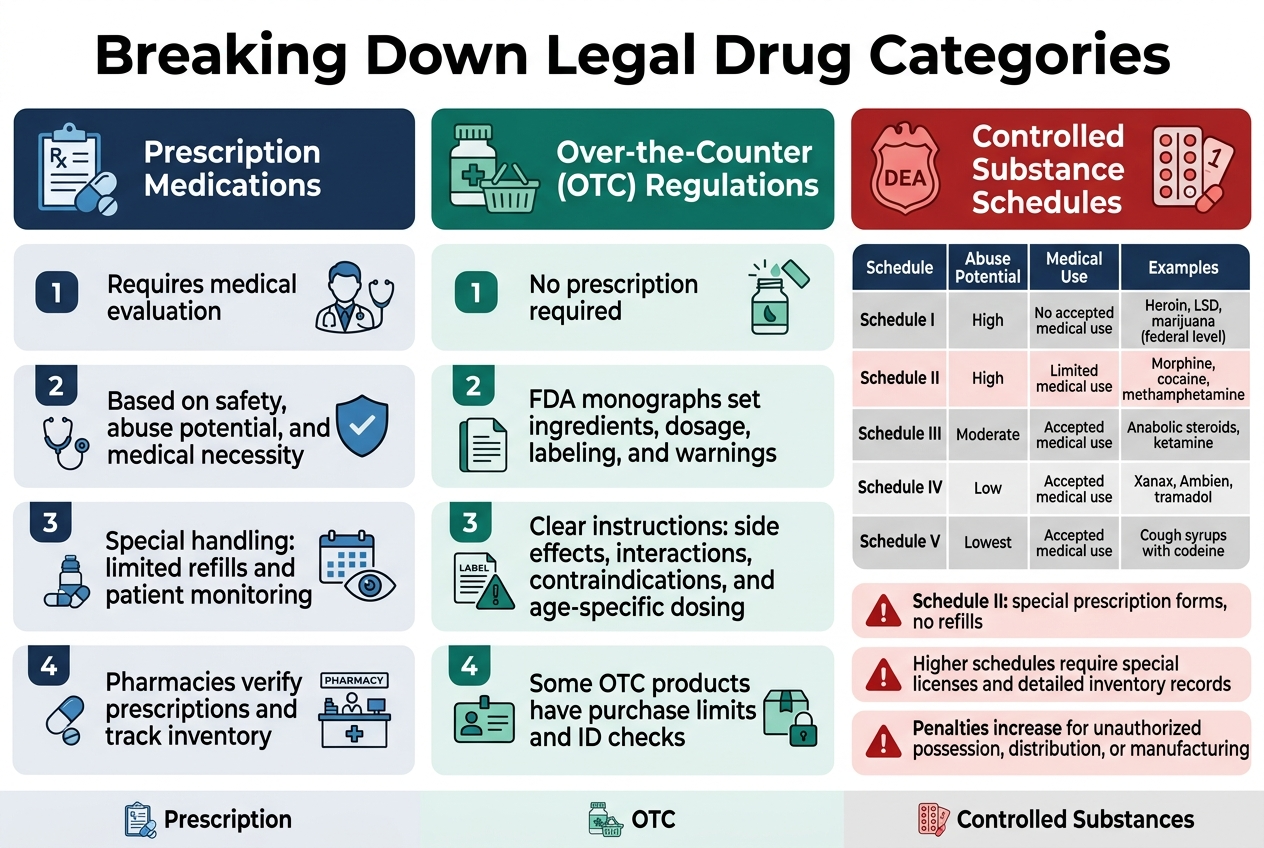
Prescription medications operate under strict regulatory oversight, requiring medical professionals to evaluate patient needs before dispensing these drugs. The prescription drug categories follow a systematic approach based on safety profiles, potential for abuse, and medical necessity. Healthcare providers must assess each patient’s condition, medical history, and potential drug interactions before writing prescriptions.
The drug classification system for prescription medications divides them into different categories based on their safety and abuse potential. Some prescription drugs require special handling procedures, such as limited refills or mandatory patient monitoring. Physicians must maintain detailed records of certain prescription drug categories, particularly those with higher abuse potential.
Pharmacies play a crucial role in the prescription medication control system by verifying prescriptions, maintaining inventory records, and monitoring for potential abuse patterns. They work closely with healthcare providers and regulatory agencies to ensure proper dispensing practices and patient safety.
Over-the-Counter Drug Regulations
Over-the-counter (OTC) medications don’t require prescriptions but still face significant regulatory oversight. The FDA establishes monographs for each OTC drug category, specifying active ingredients, dosages, labeling requirements, and safety warnings. These regulations ensure consumers can safely self-medicate for common conditions like headaches, allergies, and minor pain.
OTC drug regulations require clear labeling with usage instructions, warnings, and contraindications. Manufacturers must include specific information about potential side effects, drug interactions, and when to seek professional medical advice. Age-specific dosing instructions and safety warnings help consumers make informed decisions about self-treatment.
Certain OTC medications have purchase restrictions, such as pseudoephedrine-containing products that require identification and purchase limits due to their use in illegal drug manufacturing. Pharmacies must track these sales and report suspicious purchasing patterns to authorities.
Controlled Substance Schedules Explained
The controlled substances schedule system classifies drugs into five distinct categories based on their medical value and abuse potential. This DEA drug scheduling framework helps law enforcement and healthcare professionals understand the legal status and handling requirements for different substances.
| Schedule | Abuse Potential | Medical Use | Examples |
|---|---|---|---|
| Schedule I | High | No accepted medical use | Heroin, LSD, marijuana (federal level) |
| Schedule II | High | Limited medical use | Morphine, cocaine, methamphetamine |
| Schedule III | Moderate | Accepted medical use | Anabolic steroids, ketamine |
| Schedule IV | Low | Accepted medical use | Xanax, Ambien, tramadol |
| Schedule V | Lowest | Accepted medical use | Cough syrups with codeine |
Each schedule comes with specific manufacturing, distribution, and prescribing requirements. Schedule II substances require special prescription forms and cannot be refilled, while Schedule V substances may be available without prescriptions in some states. Healthcare providers need special licenses to prescribe higher-scheduled substances, and pharmacies must maintain detailed inventory records.
The controlled substances act establishes penalties for unauthorized possession, distribution, or manufacturing of these drugs. Legal penalties increase significantly as the schedule number decreases, reflecting the greater potential for harm and abuse associated with higher-scheduled substances.
Illegal Drug Classification Framework
Schedule I Substances and Zero Medical Use
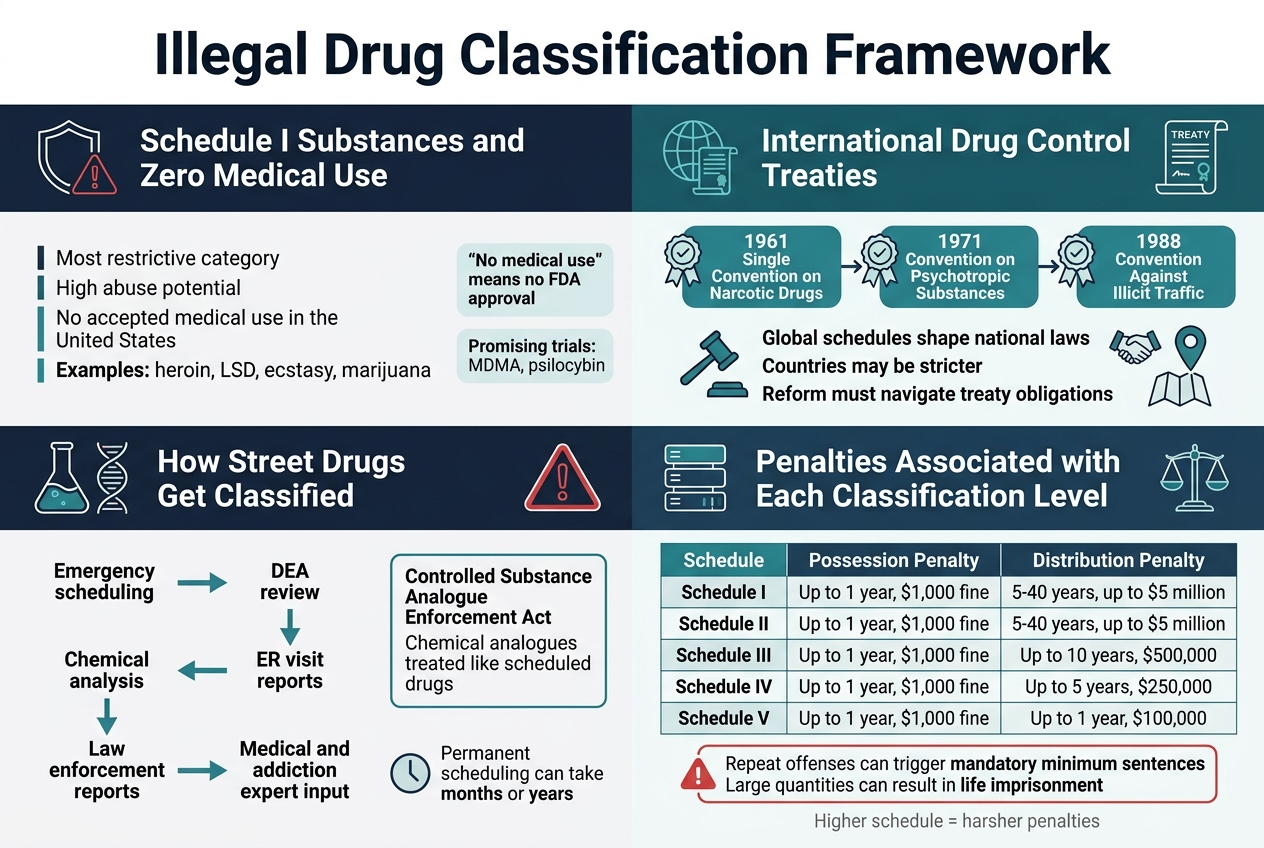
The controlled substances act places drugs into five distinct schedules, with Schedule I representing the most restrictive category. These substances face the harshest penalties because they’re deemed to have high abuse potential with no accepted medical use in the United States. Classic examples include heroin, LSD, ecstasy, and marijuana (though cannabis laws are rapidly evolving at state levels).
The “no medical use” designation doesn’t mean these substances lack therapeutic potential – it means they haven’t received FDA approval for medical treatment. This creates interesting contradictions, especially with substances like MDMA and psilocybin, which show promising results in clinical trials for treating PTSD and depression.
Schedule I drugs can’t be prescribed legally, and possession carries severe criminal penalties. Research on these substances requires special DEA licensing and extensive security protocols, making scientific study extremely challenging and expensive.
International Drug Control Treaties
Drug classification doesn’t happen in isolation – international treaties heavily influence domestic drug scheduling decisions. Three major UN conventions shape global drug control: the 1961 Single Convention on Narcotic Drugs, the 1971 Convention on Psychotropic Substances, and the 1988 Convention Against Illicit Traffic.
These treaties establish schedules that member countries must incorporate into their national laws. The treaties categorize substances based on medical value, abuse potential, and public health risks. Countries can impose stricter controls than required by treaties but face diplomatic pressure when considering more lenient approaches.
The international framework creates challenges for countries wanting to reform drug laws. When nations like Portugal decriminalized personal use or when states legalize cannabis, they must navigate complex international obligations while maintaining treaty compliance.
How Street Drugs Get Classified
New psychoactive substances appear on streets faster than lawmakers can respond. The DEA uses emergency scheduling powers to temporarily classify dangerous substances while conducting full reviews. This process typically involves monitoring drug seizures, emergency room visits, and law enforcement reports.
Designer drugs present unique challenges because chemists modify molecular structures to create substances that technically aren’t illegal yet. The Controlled Substance Analogue Enforcement Act addresses this by treating chemical analogues of controlled substances as if they were scheduled drugs.
Street drug classification often relies on:
-
Chemical analysis of seized substances
-
Medical emergency data
-
Abuse liability studies
-
International intelligence sharing
-
Input from medical professionals and addiction specialists
The classification process can take months or years for permanent scheduling, during which time substances may circulate legally or in regulatory gray areas.
Penalties Associated with Each Classification Level
Drug scheduling directly determines criminal penalties, with Schedule I substances carrying the harshest punishments. Federal sentencing guidelines create a tiered system where penalties increase based on drug schedule and quantity involved.
| Schedule | Possession Penalty | Distribution Penalty |
|---|---|---|
| Schedule I | Up to 1 year, $1,000 fine | 5-40 years, up to $5 million |
| Schedule II | Up to 1 year, $1,000 fine | 5-40 years, up to $5 million |
| Schedule III | Up to 1 year, $1,000 fine | Up to 10 years, $500,000 |
| Schedule IV | Up to 1 year, $1,000 fine | Up to 5 years, $250,000 |
| Schedule V | Up to 1 year, $1,000 fine | Up to 1 year, $100,000 |
Repeat offenses trigger mandatory minimum sentences, and trafficking large quantities can result in life imprisonment. State penalties often differ significantly from federal guidelines, with some states implementing more lenient approaches while others maintain harsh punishments.
The penalty structure reflects the belief that higher-scheduled substances pose greater societal risks, though critics argue that punishment severity doesn’t always correlate with actual harm potential or addiction risk.
Factors That Determine Drug Classification
Addiction Potential and Abuse Risk
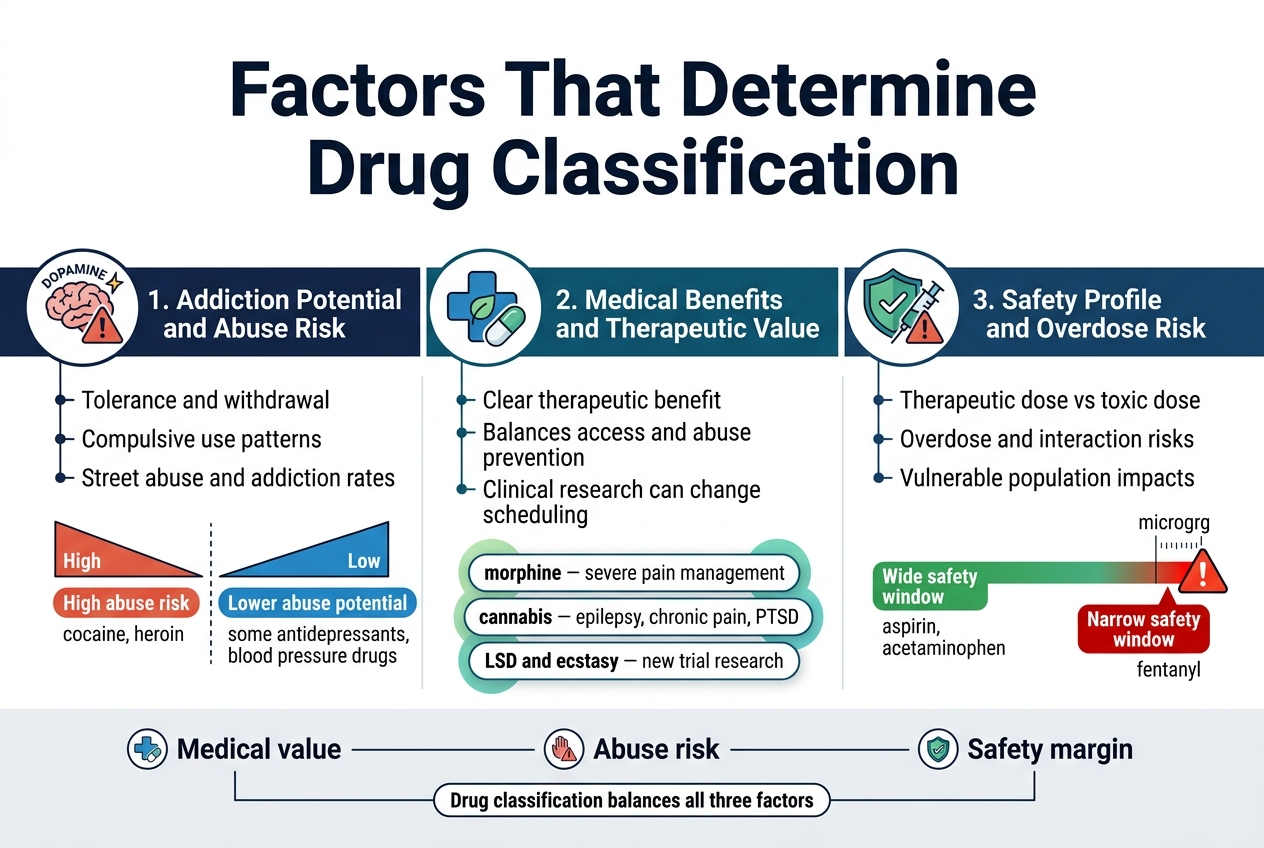
The likelihood of a substance causing dependence or being misused plays a huge role in drug classification systems. Regulatory agencies carefully examine how quickly users can develop tolerance, the severity of withdrawal symptoms, and the compulsive behavior patterns associated with each substance.
High-abuse-risk drugs like cocaine and heroin land in the strictest categories because they hijack the brain’s reward pathways rapidly and powerfully. These substances trigger intense dopamine releases that make users crave more, often leading to destructive behavioral changes within weeks or even days of initial use.
Meanwhile, substances with lower abuse potential receive more lenient classifications. Prescription medications like certain antidepressants or blood pressure drugs rarely cause the euphoric highs that drive recreational abuse, so they face fewer regulatory restrictions despite requiring medical supervision.
The DEA drug scheduling process involves extensive research into how different populations respond to substances. Scientists study everything from street-level abuse patterns to clinical addiction rates, creating comprehensive profiles that help predict real-world risks.
Medical Benefits and Therapeutic Value
Proven medical applications significantly influence how drugs are classified within the controlled substances framework. Substances demonstrating clear therapeutic benefits often receive scheduling that balances medical access with abuse prevention, even when they carry addiction risks.
Consider morphine – despite its high abuse potential, this opioid remains available for legitimate medical use because no equally effective alternatives exist for severe pain management. The drug classification factors here weigh life-saving medical benefits against recreational abuse dangers.
Cannabis exemplifies how evolving medical research reshapes classification discussions. Growing evidence supporting its therapeutic applications for conditions like epilepsy, chronic pain, and PTSD has prompted many jurisdictions to reconsider traditional scheduling approaches, creating medical marijuana programs that provide regulated access while maintaining recreational restrictions.
Drugs lacking established medical benefits face harsher classifications. LSD and ecstasy historically fell into the strictest categories partly because regulatory agencies saw no accepted medical applications, though recent clinical trials exploring their therapeutic potential for PTSD and depression are generating new classification debates.
Safety Profile and Overdose Risk
The margin between therapeutic doses and potentially fatal amounts heavily influences drug classifications. Substances with narrow safety windows – where effective doses sit dangerously close to toxic levels – typically face stricter controls regardless of their medical value.
Fentanyl represents an extreme example: its incredible potency means the difference between pain relief and respiratory failure can be measured in micrograms. This razor-thin safety margin places fentanyl in highly restricted categories even for legitimate medical applications, requiring specialized handling and administration protocols.
Conversely, drugs with wide therapeutic windows often receive more relaxed classifications. Aspirin and acetaminophen, while capable of causing serious harm in massive overdoses, have predictable safety profiles that allow over-the-counter availability with appropriate labeling and dosage guidelines.
Drug scheduling criteria also consider interaction risks with other substances, long-term health effects, and vulnerable population impacts. Substances that pose particular dangers to pregnant women, children, or people with common medical conditions face additional classification scrutiny that can override other factors.
How Drug Classifications Change Over Time
Reclassification Process and Requirements
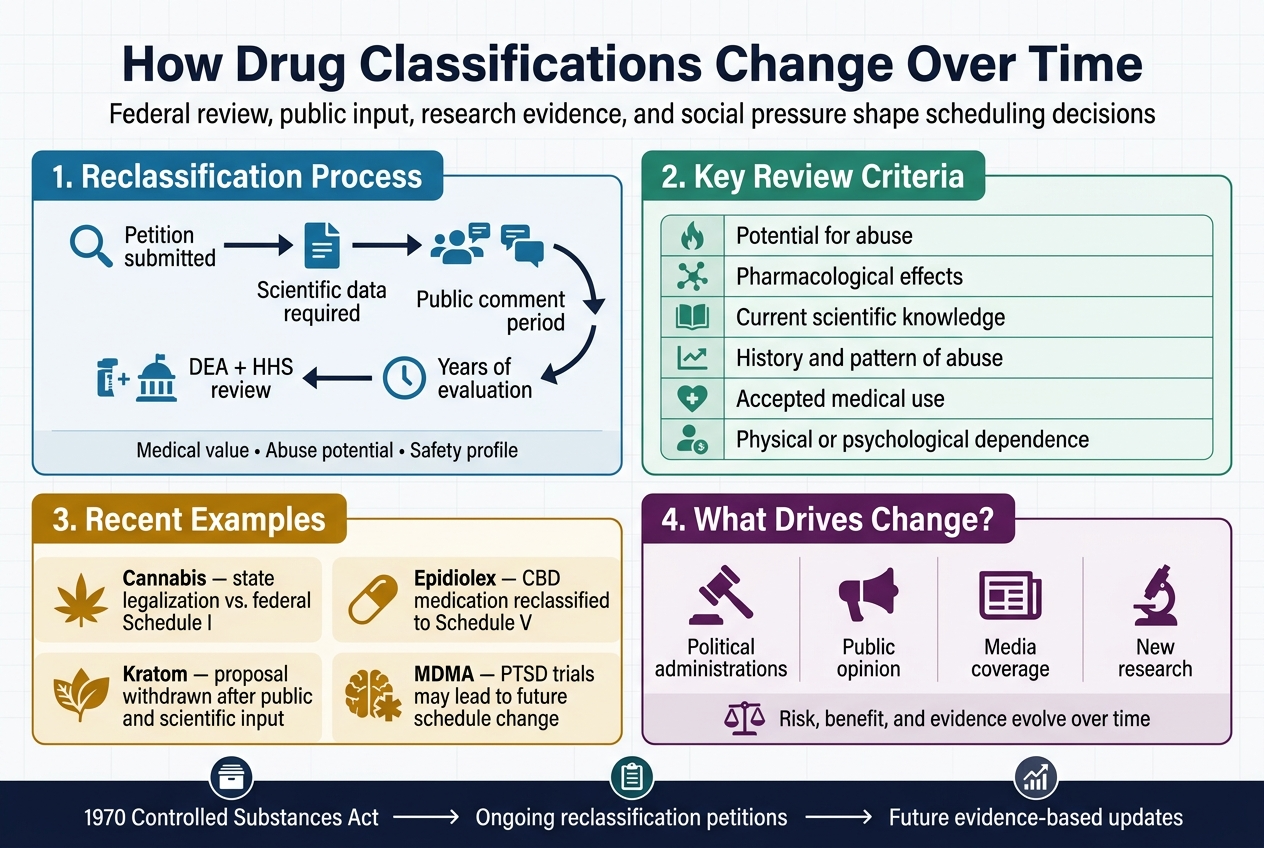
The drug classification system isn’t set in stone. Federal agencies can move substances between different schedules or even remove them entirely through a detailed review process. The Drug Enforcement Administration (DEA) and the Department of Health and Human Services work together to evaluate whether a drug’s current classification still makes sense based on new evidence.
When someone petitions for reclassification, they must provide extensive scientific data about the drug’s medical value, abuse potential, and safety profile. The process involves multiple stages of review, including public comment periods where medical professionals, researchers, and advocacy groups can weigh in. The entire process typically takes several years and requires substantial documentation to support any proposed changes.
The Controlled Substances Act outlines specific criteria that agencies must consider during reclassification. These include the drug’s actual or relative potential for abuse, scientific evidence of pharmacological effects, current scientific knowledge regarding the substance, and its history and current pattern of abuse. The review also examines whether the substance has accepted medical use and what level of physical or psychological dependence might result from its use.
Recent Examples of Schedule Changes
Several high-profile reclassifications have occurred in recent years, reshaping how certain substances are regulated. Cannabis represents the most significant ongoing discussion, with many states legalizing it for medical and recreational use while it remains federally classified as a Schedule I substance with no accepted medical use.
Epidiolex, a CBD-based medication for treating severe epilepsy, received FDA approval in 2018, creating an interesting exception within cannabis prohibition. The DEA subsequently reclassified this specific CBD formulation to Schedule V, demonstrating how pharmaceutical development can drive classification changes.
Kratom has faced multiple classification attempts, with the DEA initially planning to place it in Schedule I in 2016 before public outcry and scientific input led them to withdraw the proposal. The agency continues to evaluate kratom’s status while more research emerges about its effects and potential medical applications.
MDMA represents another substance moving through the reclassification pipeline, with promising clinical trial results for treating PTSD potentially leading to medical approval and schedule changes in the coming years.
Political and Social Influences on Classification
Drug classifications don’t exist in a vacuum – they reflect broader social attitudes, political pressures, and cultural shifts. The original Controlled Substances Act of 1970 emerged during a period of significant social upheaval, and many argue that some initial classifications were influenced more by politics than science.
Public opinion plays a major role in driving classification discussions. The changing perception of cannabis over the past two decades illustrates how shifting social attitudes can pressure lawmakers and agencies to reconsider existing policies. Advocacy groups, patient organizations, and criminal justice reform movements actively lobby for reclassification of various substances.
Political administrations often approach drug policy differently, with some prioritizing enforcement and others focusing on treatment and harm reduction. These philosophical differences can influence how agencies interpret existing science when making classification decisions.
Media coverage and high-profile cases also shape public discourse around drug classifications. When celebrities or public figures advocate for specific substances or when tragic incidents occur, public pressure can accelerate or complicate reclassification efforts.
Impact of New Research on Drug Status
Scientific research continuously provides new insights that challenge existing drug classifications. As researchers develop better understanding of how substances work in the brain and body, previous assumptions about safety and medical value often require revision.
Clinical trials for treating mental health conditions have revealed therapeutic potential in substances previously considered purely recreational. Psilocybin research for depression, MDMA studies for PTSD, and LSD investigations for anxiety demonstrate how rigorous scientific study can reshape our understanding of controlled substances.
Pharmacological research has also revealed that some substances pose different risks than originally thought. Studies on the relative harm of various drugs have shown that current scheduling doesn’t always align with actual danger levels, leading to calls for evidence-based reclassification.
The emergence of new synthetic substances creates ongoing challenges for the drug classification system. Designer drugs that mimic the effects of controlled substances often appear faster than regulators can respond, forcing agencies to develop new approaches for classifying novel psychoactive substances.
Research into addiction mechanisms has changed how we understand dependence potential, with some studies suggesting that certain Schedule I substances may have lower addiction liability than some legal substances. This growing body of evidence continues to fuel debates about whether current classifications accurately reflect real-world risks and benefits.
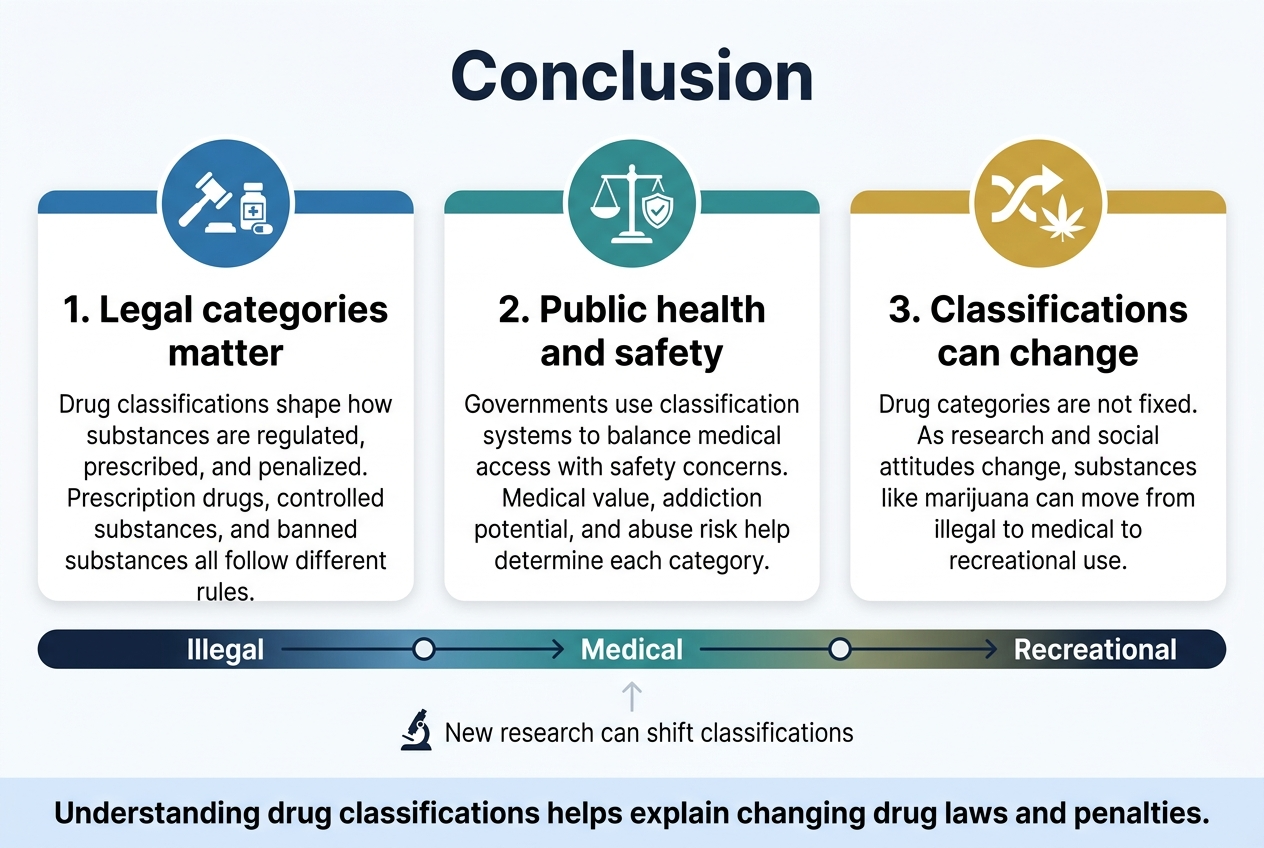
Drug classifications create a complex web of legal categories that directly impact how substances are regulated, prescribed, and penalized. From prescription medications with strict controls to completely banned substances, these systems help governments balance public health needs with safety concerns. The classification process considers factors like medical value, addiction potential, and abuse risk, which explains why some drugs move between categories as new research emerges.
These classification systems aren’t set in stone. As science advances and social attitudes shift, we see substances like marijuana moving from illegal to medical to recreational use in many places. Understanding how these classifications work helps you make sense of changing drug laws and why certain substances are treated differently than others. Whether you’re curious about prescription regulations or wondering why some drugs carry harsher penalties, knowing the classification system gives you the foundation to follow these ongoing debates in your community.